How to Fire-Proof Your RV| Rv Service Center Of Santa Cruz

renamills • July 27, 2017

07.27.2017 How to Fire-Proof Your RV| Rv Service Center Of Santa Cruz Whether you've just purchased your first motor home or you're a seasoned RVer, you should ensure your investment is fire-proof. You probably know how to take a lot of common-sense precautions when fire-proofing your RV, but here are five tips that are easy to follow and will bring you peace of mind before hitting the highway.Change and Properly Dispose of BatteriesA lot of people aren't aware of the dangers in something so seemingly innocent, but batteries can pose a fire hazard if they don't get the right attention. Start by changing any battery-powered appliances in your RV once a year. This includes smoke/propane/carbon monoxide detectors, flashlights, portable radios, etc.Batteries can also spark a fire if the terminals touch or they come in contact with metal. So when you remove the batteries, place electrical tape over the terminals and remove them from your RV right away, and put them in a secure place to be recycled. Also be sure to keep any unused batteries in their original container until ready for use. Since recycling batteries in California is mandatory, you should take care of this before hitting the road. This will prevent you from having to find a recycling center while you're RVing.Maintain the Tires and Wheel BearingsAs you know, tires get hot from friction on the road. But what you might not know is that tires canoverheat to the point that they catch on fire. You can avoid this hazard by ensuring your tires have proper inflation, but there's one other component that can become a fire hazard: the wheel bearings. If they fail, they can overheat and cause the tire to catch on fire.Make sure to have your tires and wheel bearing inspected before taking a trip. Also, consider investing in an infrared temperature gun. By using it regularly, you can get an idea of what the norm is so you'll know exactly when your tires are too hot.Routinely Inspect Your RefrigeratorRefrigerator fires are one of the most common types of fire hazards in an RV, especially if you have a refrigerator that runs on gas. But these fires also easy to prevent when you know what the hazards are. Before heading out for your travels, remove the access panel on the outside of the RV and run a quick visual inspection. Look for rodents that might be nesting, loose wires, dirt and debris, and any evidence that overheating has occurred.Next, you'll need to decide whether you're comfortable traveling with the propane on to keep contents in the fridge cool. If your RV is set up to battery-power your fridge, this is definitely a safer option. But many long-time RVers are adamant that traveling with the propane on is perfectly fine. Keep in mind the gas must be shut off at service stations and while traveling through restricted tunnels and over bridges.The good news is that your food will stay reasonably cool for up to five hours. So if you're only traveling short periods every day, there's no need for the propane at all until you stop for the night.Maintain Your Electrical SystemElectrical outlets are limited in RVs, which can certainly pose some challenges. But by taking the following precautions, your risk of fire is greatly reduced:Avoid overloading outlets with too many appliances, particularly ones that draw a lot of energy.Avoid extension cords. If absolutely necessary, stick with one that's heavy duty, and don't run them under rugs.Routinely check for loose electrical connections AFTER disconnecting any battery connections and your RV from shore power. If anything seems amiss or loose, hire an electrician who works on RVs to fix the problems.Invest in an RV surge protector that will immediately shut off the power if dangerous surges occur.Perform random "touch" tests to ensure the outlets aren't overheating.If you're one to max out your outlets, you might also consider having an electrical box installed-one that's heavy duty to support your appliance usage. This is a great way to improve your RV's electrical system.Invest in Fire ExtinguishersFire extinguishers are a must for every RV, and you have several types to choose from. However, the best is probably a dry chemical extinguisher since they're rated for most any type of fire. The main caveat is that some of the agents can become corrosive over time. So it's important to clean up the mess as soon as possible once the fire is extinguished.If you have any questions about fire-proofing your RV, contact one of our team members at RV Service Center of Santa Cruz. Facebook Twitter Google+ pinterest

How to Fire-Proof Your RV| Rv Service Center Of Santa Cruz

Whether you've just purchased your first motor home or you're a seasoned RVer, you should ensure your investment is fire-proof. You probably know how to take a lot of common-sense precautions when fire-proofing your RV, but here are five tips that are easy to follow and will bring you peace of mind before hitting the highway.

Change and Properly Dispose of Batteries

A lot of people aren't aware of the dangers in something so seemingly innocent, but batteries can pose a fire hazard if they don't get the right attention. Start by changing any battery-powered appliances in your RV once a year. This includes smoke/propane/carbon monoxide detectors, flashlights, portable radios, etc.

Batteries can also spark a fire if the terminals touch or they come in contact with metal. So when you remove the batteries, place electrical tape over the terminals and remove them from your RV right away, and put them in a secure place to be recycled. Also be sure to keep any unused batteries in their original container until ready for use. Since recycling batteries in California is mandatory, you should take care of this before hitting the road. This will prevent you from having to find a recycling center while you're RVing.

Maintain the Tires and Wheel Bearings

As you know, tires get hot from friction on the road. But what you might not know is that tires canoverheat to the point that they catch on fire. You can avoid this hazard by ensuring your tires have proper inflation, but there's one other component that can become a fire hazard: the wheel bearings. If they fail, they can overheat and cause the tire to catch on fire.

Make sure to have your tires and wheel bearing inspected before taking a trip. Also, consider investing in an infrared temperature gun. By using it regularly, you can get an idea of what the norm is so you'll know exactly when your tires are too hot.

Routinely Inspect Your Refrigerator

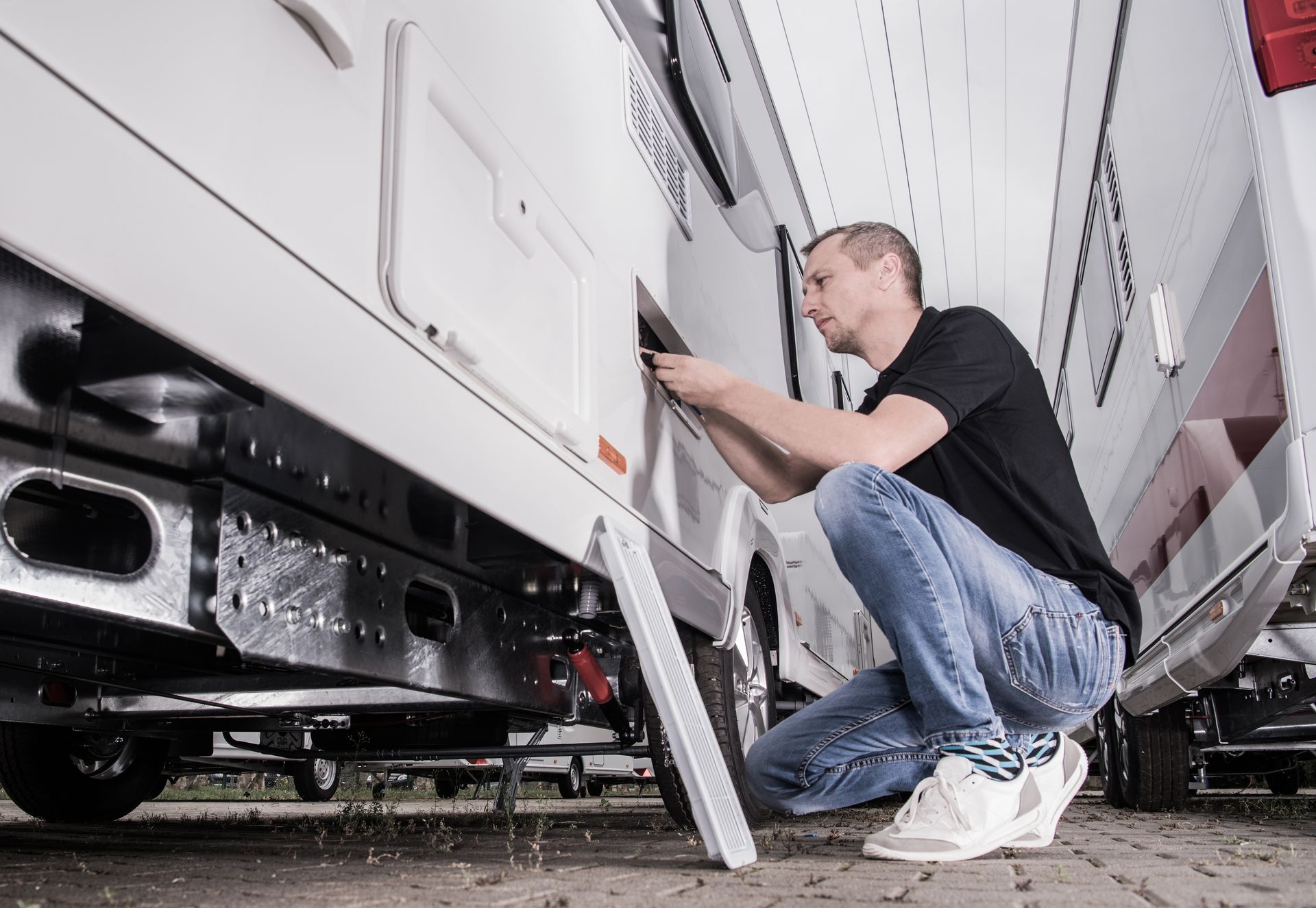
Refrigerator fires are one of the most common types of fire hazards in an RV, especially if you have a refrigerator that runs on gas. But these fires also easy to prevent when you know what the hazards are. Before heading out for your travels, remove the access panel on the outside of the RV and run a quick visual inspection. Look for rodents that might be nesting, loose wires, dirt and debris, and any evidence that overheating has occurred.

Next, you'll need to decide whether you're comfortable traveling with the propane on to keep contents in the fridge cool. If your RV is set up to battery-power your fridge, this is definitely a safer option. But many long-time RVers are adamant that traveling with the propane on is perfectly fine. Keep in mind the gas must be shut off at service stations and while traveling through restricted tunnels and over bridges.

The good news is that your food will stay reasonably cool for up to five hours. So if you're only traveling short periods every day, there's no need for the propane at all until you stop for the night.

Maintain Your Electrical System

Electrical outlets are limited in RVs, which can certainly pose some challenges. But by taking the following precautions, your risk of fire is greatly reduced:

  • Avoid overloading outlets with too many appliances, particularly ones that draw a lot of energy.
  • Avoid extension cords. If absolutely necessary, stick with one that's heavy duty, and don't run them under rugs.
  • Routinely check for loose electrical connections AFTER disconnecting any battery connections and your RV from shore power. If anything seems amiss or loose, hire an electrician who works on RVs to fix the problems.
  • Invest in an RV surge protector that will immediately shut off the power if dangerous surges occur.
  • Perform random "touch" tests to ensure the outlets aren't overheating.

If you're one to max out your outlets, you might also consider having an electrical box installed-one that's heavy duty to support your appliance usage. This is a great way to improve your RV's electrical system.

Invest in Fire Extinguishers

Fire extinguishers are a must for every RV, and you have several types to choose from. However, the best is probably a dry chemical extinguisher since they're rated for most any type of fire. The main caveat is that some of the agents can become corrosive over time. So it's important to clean up the mess as soon as possible once the fire is extinguished.

If you have any questions about fire-proofing your RV, contact one of our team members at RV Service Center of Santa Cruz.

Preparing RV Travel Trailer
June 23, 2026
Plan your Monterey, CA, trip with confidence. RV Service Center Of Santa Cruz offers expert RV repair to prevent breakdowns.
A person leans out of a moving van with hair blowing in the wind along a forest road.
March 4, 2026
RV Service Center near Santa Cruz provides RV repair in Monterey, CA. Call (831) 427-0881 or click here to learn more about pre-trip inspections.
Picture of a specialist working on RV interior repair services
By Admin • July 11, 2025
Expert tips on RV maintenance and repair in Santa Cruz, CA, from your trusted RV repair shop. Call RV Service Center of Santa Cruz at (831) 427-0881 for help.
White RV on a highway, green hills in the background. Bright, sunny day.
By Admin • December 4, 2024
Ensure your RV is road-ready with pre-trip inspections in Santa Cruz, CA. Learn about RV body repair and more. Call Now for worry-free travels!
By admin • November 29, 2017
Heading out in your RV with kids? Childproof your RV first to keep them safe, secure hazards, and ensure a fun, worry-free, and memorable family adventure.
By Admin • October 31, 2017
Whether using your RV now or prepping for winter storage, proper weatherproofing prevents water damage and keeps your RV safe and protected year-round.
By Admin • September 27, 2017
The RV toilet may not be glamorous, but it’s vital. Improper use can lead to serious problems, so proper care is key to avoiding unpleasant issues.
By Admin • August 11, 2017
Driving an RV isn’t always smooth. Bumpy roads, detours, and surprises are part of the journey, so RV owners should be prepared for anything on the road.
By Admin • May 24, 2017
As temperatures drop, it’s time to winterize your RV. Follow these tips to protect your vehicle all season and ensure it’s ready for spring adventures.
By Admin • April 27, 2017
An RV’s electrical system is key. Converters and inverters manage power, directing electricity where it’s needed. Here’s what you should know.
Show More