RV Repair Tips: Pre-trip Inspections Most Owners Miss

March 4, 2026
A person leans out of a moving van with hair blowing in the wind along a forest road.

If you’re planning your next adventure out of Monterey, CA, our RV Service Center team near Santa Cruz understands just how much anticipation can go into a big road trip. As an RV repair shop serving Monterey and surrounding areas, we see travelers every year excited to hit the highway. But before you pack up and turn the ignition, RV repair is an essential step many owners overlook—and skipping a pre-trip inspection is a mistake no one wants to make. Without attention to these critical checks, you’re risking breakdowns, delays, or even dangerous situations on the road. Let’s dig into the most frequently missed steps in pre-trip RV inspections and how our shop can help you avoid problems before your wheels roll.

Why Every RV Owner Needs a Pre-trip Inspection 

As your local RV repair shop, we know how easy it is to assume regular service is enough. Many people have serviced their RV once or twice a year and think they’re covered. However, RVs experience a unique set of stresses, especially when parked for extended periods between trips. Weather, vibration, and time can cause issues that only emerge when you’re far from home.


A thorough inspection before each trip can catch problems that might otherwise turn your vacation into a hassle. By focusing on key systems—brakes, tires, suspension, propane, electrical, and roof seals—our team helps keep you safe and comfortable throughout your journey. A little prevention can save thousands in potential repair bills and untold frustration.

Brake System Checks: Safety First

The brake system is one area where skipping an inspection can have serious consequences. We often see owners check their fluid levels but miss signs of worn brake pads or old rotors. As an RV repair shop, we inspect the entire braking system, including emergency brakes, for wear and tear, leaks, or other warning signs.


RVs face different demands than smaller vehicles, especially when driving winding roads around Monterey. Your brake fluid can absorb moisture or deteriorate over time, pads can thin, and lines may develop leaks. Addressing these issues with a professional RV repair technician can prevent accidents and keep everyone safe.

Tires: Look Beyond Tread

Tire safety is a common oversight. Most RV owners check the tread, but age and sidewall condition are equally important. An RV repair shop will look at the manufacturing date on each tire, since even unused tires can degrade over time. We also inspect for dry rot, cracks, bulges, and proper air pressure.


Why is this so important? Tire blowouts are one of the most frequent causes of RV breakdowns and often happen at highway speed. Avoiding this risk means checking not just tread but also sidewalls and the age of every tire. 
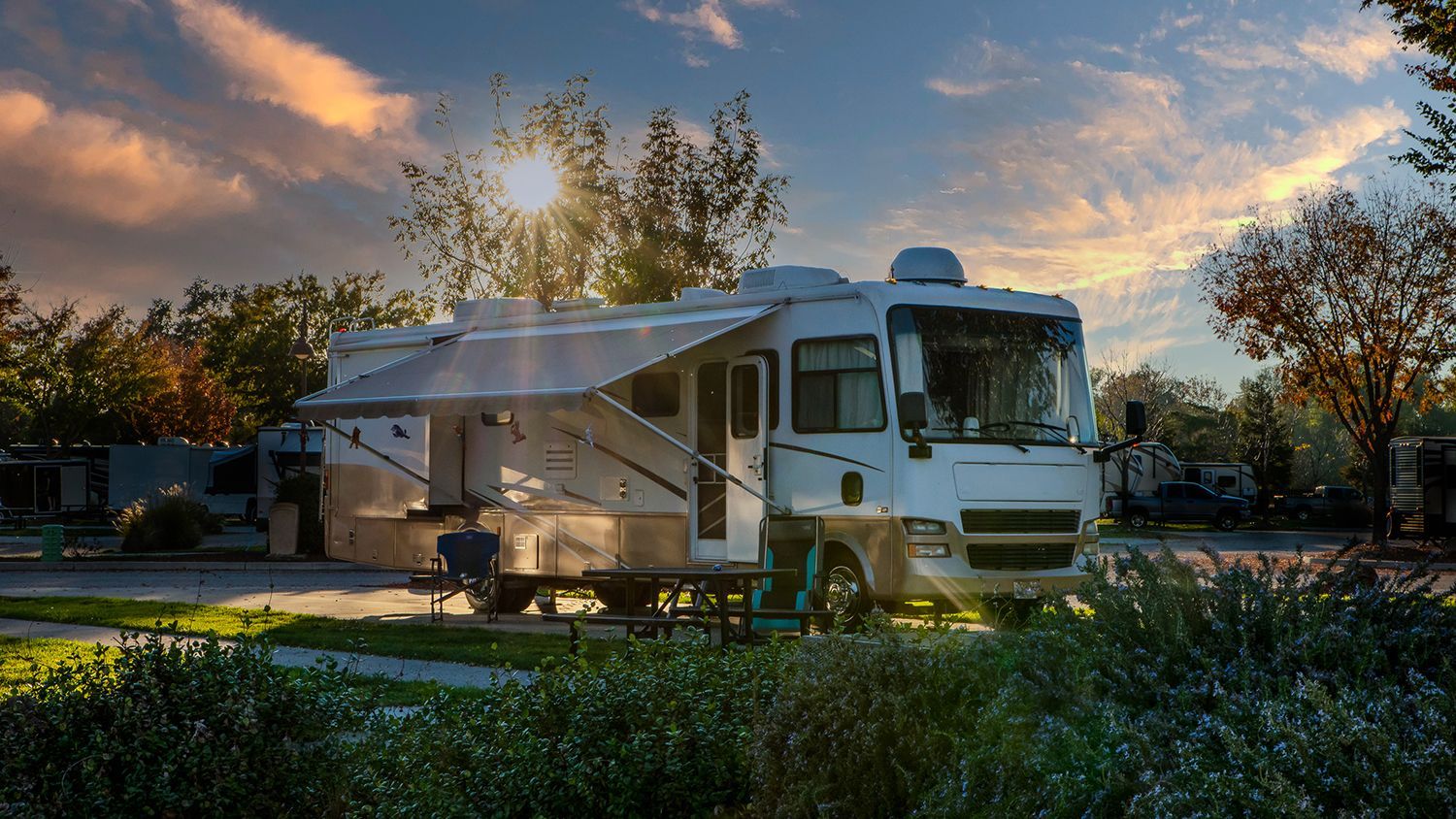
A large RV parked at a campsite with its awning extended under a colorful sunset sky.

Suspension System: Comfort and Handling

While RVs are designed for long-haul comfort, the suspension system can easily be missed during a pre-trip check. Worn shocks, broken bushings, or sagging springs impact ride comfort and handling. Our RV repair shop will inspect suspension integrity, checking for visible wear, damage, or uneven ride height.


Ignoring the suspension puts extra strain on tires and brakes, resulting in expensive repairs down the road. Ensuring your suspension is in good shape means safer, smoother travel through Monterey’s scenic roads.

Propane System: Hidden Hazards

Propane systems fuel many RV necessities—stoves, refrigerators, and heaters. Yet, leaks or faulty valves can be dangerous and often go undetected. We recommend a comprehensive propane inspection by an RV repair expert, including checking hoses, regulators, valve operation, and venting.


These inspections are critical, not just for comfort, but also for safety. Propane leaks risk explosion and carbon monoxide poisoning, so don’t overlook this step. Even if your propane tank was recently filled, make sure the entire system is checked before you leave.

Electrical System: Avoid Power Issues

Electrical failures can be inconvenient and cause bigger headaches if not caught early. RV owners sometimes test their lights and call it good, but a real inspection involves much more. Our RV repair shop will assess batteries, wiring, shore power connections, converters, and generators.


We also check for corrosion, loose connections, and signs of wear on your outlets. Running all appliances ahead of time can reveal problems that are hard to fix on the road. Schedule a full electrical check to enjoy all the comforts of your RV without interruption.

Roof Seals and Water Prevention

Water leaks cause some of the most expensive repairs in the RV world. The roof and seams should be checked at least yearly and always before a trip. RV owners often overlook cracks, worn sealant, or areas with water staining. These vulnerabilities lead to interior damage, mold, and electrical issues.


Our RV repair shop uses specialist products and techniques to seal and protect your roof, keeping moisture out and the interior protected. Staying ahead of roof maintenance is one of the best ways to protect your investment and avoid major repair bills.

Common Mistakes Made by Monterey RV Owners

Even experienced RV owners make mistakes. The most frequent are skipping brake fluid checks, ignoring tire age, assuming suspension is fine, neglecting propane valve inspections, forgetting battery tests, and overlooking roof seals.


Routine service is important, but nothing replaces a thorough inspection before each trip. Owners often think their RV is “good to go,” only to end up spending extra time and money on breakdowns. As an RV repair shop providing services in Monterey, we see these mistakes every season and help correct them before they derail a trip.

Professional Pre-trip RV Inspections in Monterey

At RV Service Center near Santa Cruz, we tailor our pre-trip inspections to meet the needs of your RV. Whether you drive a motorhome, trailer, or fifth wheel, our certified technicians check all critical systems. We focus on the preventative touches that make your journey safer and more enjoyable. Learn more about our RV repair shop services at RV Service Center near Santa Cruz.

Get Ready for Your Road Trip: Schedule Your RV Inspection Today

When you’re ready for your next adventure, don’t leave your RV’s readiness to chance. For a safe, relaxing, and trouble-free trip out of Monterey, our RV repair shop is here to help. Call RV Service Center near Santa Cruz at (831) 427-0881 or use our contact form to schedule your pre-trip inspection. Let us ensure every system is checked—so you can focus on enjoying the journey.
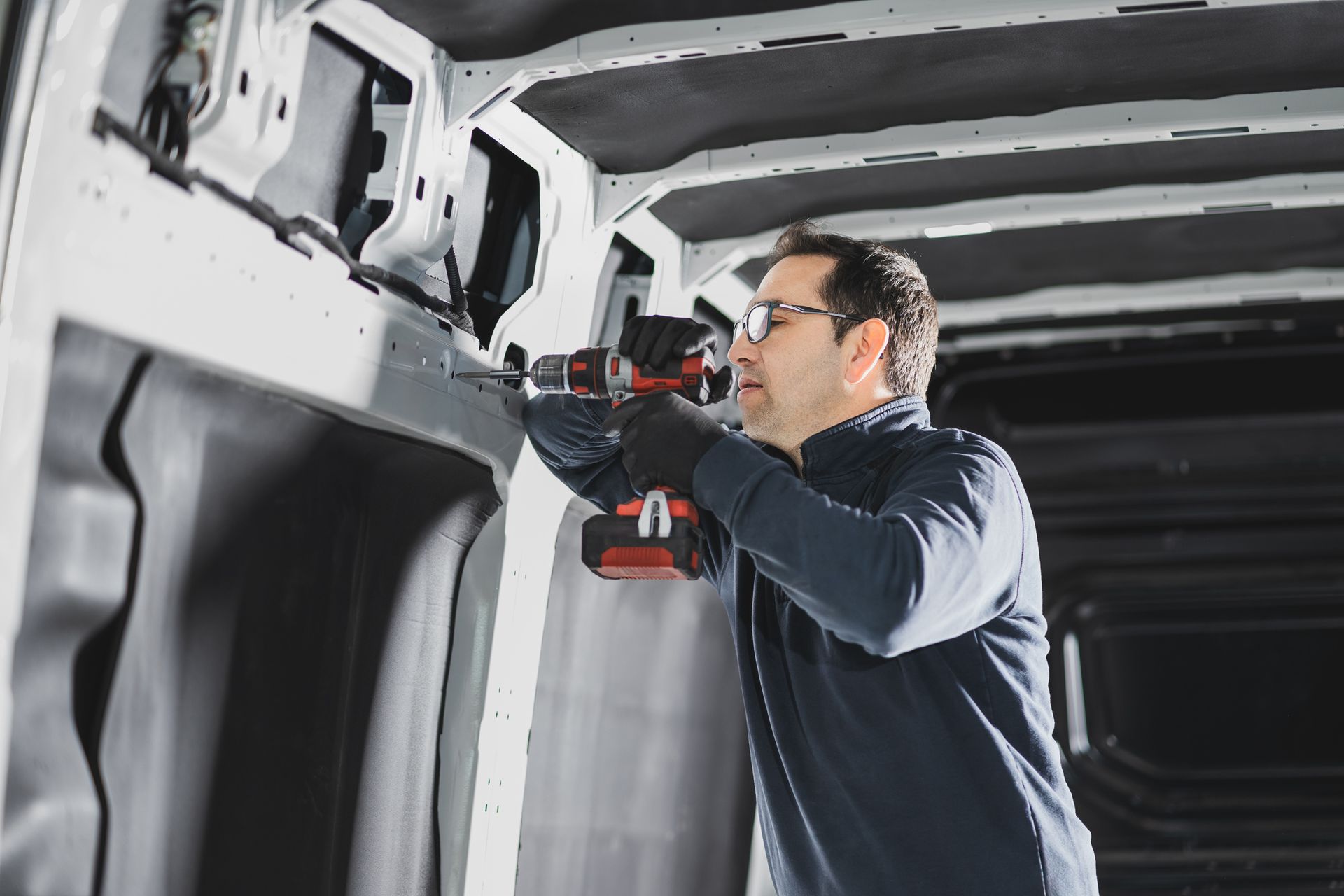
Picture of a specialist working on RV interior repair services
By Admin July 11, 2025
Expert tips on RV maintenance and repair in Santa Cruz, CA, from your trusted RV repair shop. Call RV Service Center of Santa Cruz at (831) 427-0881 for help.
By Admin December 4, 2024
Ensure your RV is road-ready with pre-trip inspections in Santa Cruz, CA. Learn about RV body repair and more. Call Now for worry-free travels!
By admin November 29, 2017
Few vacations are as exciting for a child as hitting the road in your own RV. With your own RV, you're able to take your home and family with you - and give your children experiences that they'll never forget. However, not every RV comes completely childproofed. If you have young kids or even babies, you may want to take some additional measures to childproof everything inside the RV before you start your trip.
By Admin October 31, 2017
Whether you are still driving your RV, trailer or camper around during these autumn months or are getting your RV ready for outdoor winter storage, weatherproofing is an important detail to consider. Proper weatherproofing helps prevent water from entering and damaging your RV.
By Admin September 27, 2017
The toilet in your RV isn't the most glamorous piece of equipment in your trailer or motor home, but it is one of the most important. Abuse can quickly cause problems for RV owners, and the consequences are likely to be unpleasant.
By Admin August 11, 2017
Driving an RV isn't always smooth sailing -- anyone who has been on a bumpy back road can tell you that. Detours and whims are a normal part of traveling, and for RV owners, those new roads often hold surprises.
By renamills July 27, 2017
07.27.2017 How to Fire-Proof Your RV| Rv Service Center Of Santa Cruz Whether you've just purchased your first motor home or you're a seasoned RVer, you should ensure your investment is fire-proof. You probably know how to take a lot of common-sense precautions when fire-proofing your RV, but here are five tips that are easy to follow and will bring you peace of mind before hitting the highway.Change and Properly Dispose of BatteriesA lot of people aren't aware of the dangers in something so seemingly innocent, but batteries can pose a fire hazard if they don't get the right attention. Start by changing any battery-powered appliances in your RV once a year. This includes smoke/propane/carbon monoxide detectors, flashlights, portable radios, etc.Batteries can also spark a fire if the terminals touch or they come in contact with metal. So when you remove the batteries, place electrical tape over the terminals and remove them from your RV right away, and put them in a secure place to be recycled. Also be sure to keep any unused batteries in their original container until ready for use. Since recycling batteries in California is mandatory, you should take care of this before hitting the road. This will prevent you from having to find a recycling center while you're RVing.Maintain the Tires and Wheel BearingsAs you know, tires get hot from friction on the road. But what you might not know is that tires canoverheat to the point that they catch on fire. You can avoid this hazard by ensuring your tires have proper inflation, but there's one other component that can become a fire hazard: the wheel bearings. If they fail, they can overheat and cause the tire to catch on fire.Make sure to have your tires and wheel bearing inspected before taking a trip. Also, consider investing in an infrared temperature gun. By using it regularly, you can get an idea of what the norm is so you'll know exactly when your tires are too hot.Routinely Inspect Your RefrigeratorRefrigerator fires are one of the most common types of fire hazards in an RV, especially if you have a refrigerator that runs on gas. But these fires also easy to prevent when you know what the hazards are. Before heading out for your travels, remove the access panel on the outside of the RV and run a quick visual inspection. Look for rodents that might be nesting, loose wires, dirt and debris, and any evidence that overheating has occurred.Next, you'll need to decide whether you're comfortable traveling with the propane on to keep contents in the fridge cool. If your RV is set up to battery-power your fridge, this is definitely a safer option. But many long-time RVers are adamant that traveling with the propane on is perfectly fine. Keep in mind the gas must be shut off at service stations and while traveling through restricted tunnels and over bridges.The good news is that your food will stay reasonably cool for up to five hours. So if you're only traveling short periods every day, there's no need for the propane at all until you stop for the night.Maintain Your Electrical SystemElectrical outlets are limited in RVs, which can certainly pose some challenges. But by taking the following precautions, your risk of fire is greatly reduced:Avoid overloading outlets with too many appliances, particularly ones that draw a lot of energy.Avoid extension cords. If absolutely necessary, stick with one that's heavy duty, and don't run them under rugs.Routinely check for loose electrical connections AFTER disconnecting any battery connections and your RV from shore power. If anything seems amiss or loose, hire an electrician who works on RVs to fix the problems.Invest in an RV surge protector that will immediately shut off the power if dangerous surges occur.Perform random "touch" tests to ensure the outlets aren't overheating.If you're one to max out your outlets, you might also consider having an electrical box installed-one that's heavy duty to support your appliance usage. This is a great way to improve your RV's electrical system.Invest in Fire ExtinguishersFire extinguishers are a must for every RV, and you have several types to choose from. However, the best is probably a dry chemical extinguisher since they're rated for most any type of fire. The main caveat is that some of the agents can become corrosive over time. So it's important to clean up the mess as soon as possible once the fire is extinguished.If you have any questions about fire-proofing your RV, contact one of our team members at RV Service Center of Santa Cruz. Facebook Twitter Google+ pinterest
By Admin May 24, 2017
After a season of beautiful weather and pristine sunny days, the weather is getting cooler and it's time to think about putting away your RV for the winter. A lot goes into making your vehicle winter-ready, so as soon as the temperatures start to drop to freezing temperatures at night, you need to have your winterizing strategy ready to go. Here are some tips that will help you keep your RV safe all off-season long so you are ready for new adventures come spring.
By Admin April 27, 2017
A recreational vehicle (RV) is only as good as its electrical system, so it’s important to understand the basics of how your RV directs electrical current to the appropriate places. Two devices—the converter and inverter—play a big part in managing electrical power in your RV. Below is more information about power converters and inverters.
By Admin March 24, 2017
Summertime trips in your RV can provide some of the best days of your life, but the hottest part of the year can make staying comfortable in your RV a challenge, if you aren't prepared. Below are several tips you can use to give your RV's air conditioner a helping hand and keep yourself comfortable.
Show More