
A refrigerator is an essential recreational vehicle (RV) appliance if you plan to prepare your own meals during travel. However, you can get the most use out of an RV refrigerator when you understand the unique aspects of the appliance. Below is more information about RV refrigerators and what you can do to make them truly work for you out on the road.
Restrain the Contents of Your Refrigerator
Protecting your food items from damage, as well as protecting you from possible injury, are important reasons why the contents of your refrigerator should be kept secure. That is why you will need to be certain that foods, beverages, and other goods are not able to shift and fall, especially when your vehicle encounters uneven terrain. Below are a few practical hints for preventing movement of refrigerator contents:
- Use restraint bars. Since many refrigerator shelves do not have barriers on their front edges, this makes your items vulnerable to sliding off shelves or falling when the door is opened. However, you can use spring-loaded restraint bars that slip into place, much in the same way that shower curtain rods are held by friction. Check with your local supplier of RV accessories to purchase restraint bars.
- Avoid containers with rounded bottoms. Another easy way to prevent tipping and spills is to transfer food items to flat-bottomed containers. Keep these containers well-sealed, too, just in case items shift.
Keep Interior Airflow Moving to Prevent Uneven Cooling
Some RV refrigerators don't move air as well as stationary refrigerators, and this can cause uneven cooling in different sections and compartments. However, you can counteract the development of stale air by using small battery-powered fans inside the refrigerator. By placing these fans strategically, you can inexpensively move the air and help eliminate cold spots and hot spots.
Maximize Your Refrigerator's Shelf Space
Everything is limited from a space perspective on RVs, and in most instance, your refrigerator is no exception to this rule. If you want to make the most of your refrigerator, you will need to eliminate unnecessary clutter inside the unit.
You can accomplish this by placing foods in the smallest available containers; for example, don't leave a single piece of pie inside a full pie pan. Other ways of maximizing space include purchasing specialized containers for eggs that permit stacking and protect the eggs at the same time and buying flat, rectangular containers that don't waste space at the corners.
In addition, carefully evaluate the items you place in the refrigerator and remove products that don't need to be kept cold during storage, such as unopened bottles and jars.
Properly Vent the Refrigerator's Heat Transfer
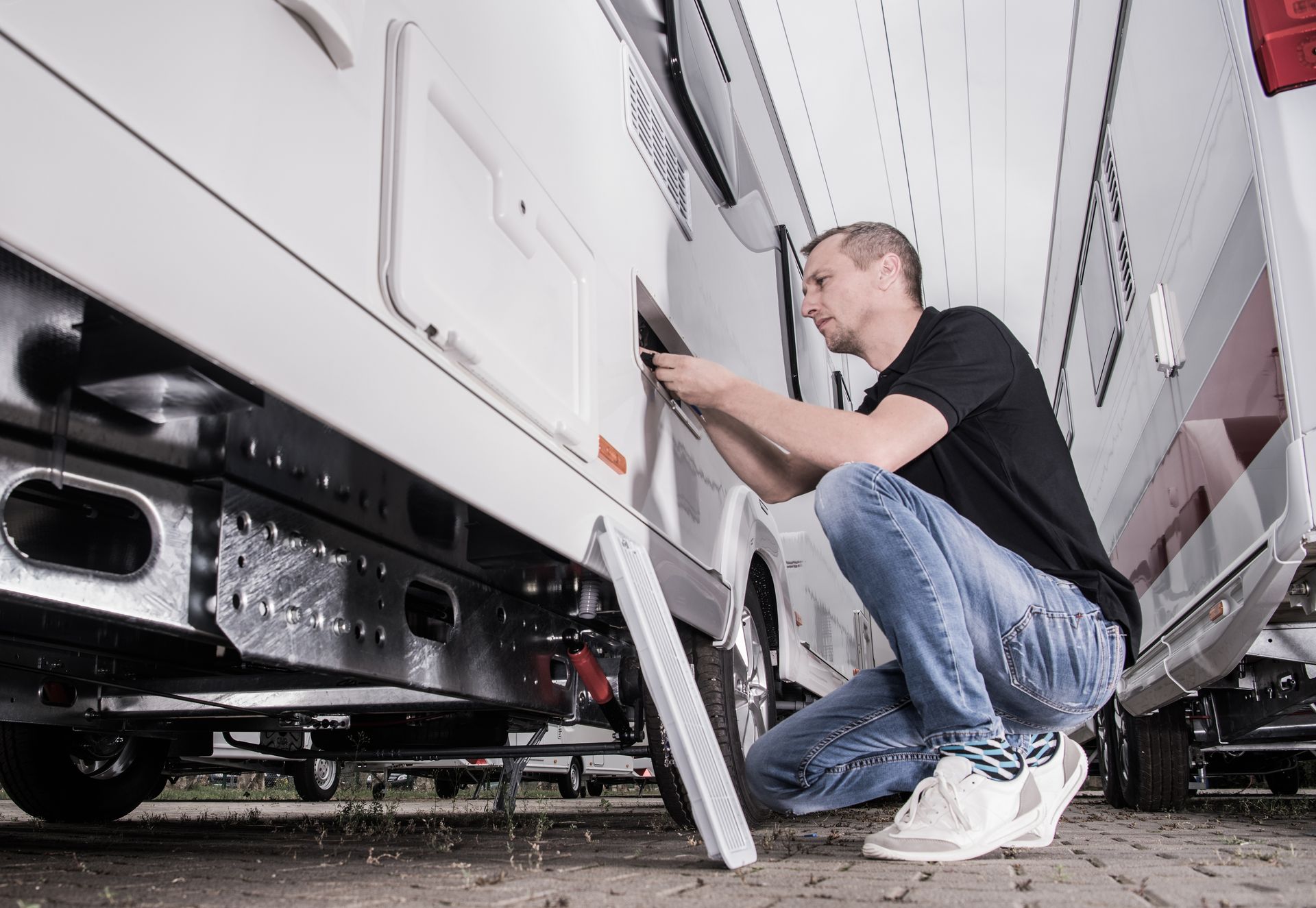
If you are new to RV ownership or don't have much experience with on-board refrigerators, you may not be aware of how important proper ventilation on the backside of the unit is. Refrigerators operate by transferring heat from the interior of the unit to the exterior, and if you don't eliminate this heat load, it can make the interior of the RV uncomfortable or lead to other possible problems.
Proper venting requires two vents to the exterior; one should be located near the bottom of the refrigerator on the backside while the other vent should be placed above the refrigerator. This creates an upward flow of air along the coils, which will carry heat up and outside. If you already have vents in place, then make sure they are not clogged by leaves, pine needles and other debris that can limit or obstruct air flow.
Also, if you don't yet have refrigeration venting in place, be sure to contact your RV appliance specialist
who can get it installed for you.